Here are the answers to the most frequently asked questions about our Ameri-Domes. We've broken them down into categories to make it a bit easier to locate the answers.
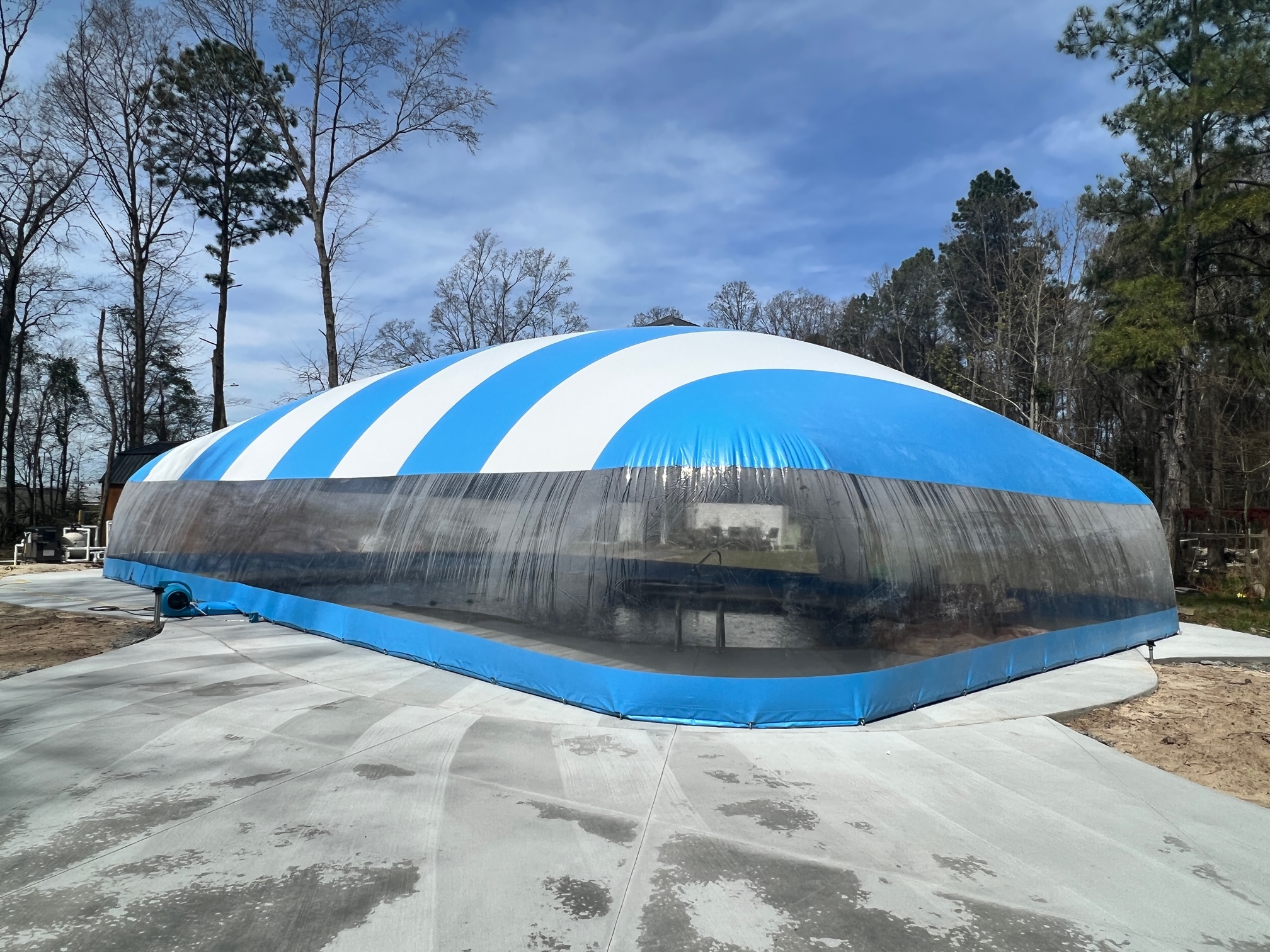
A residential Ameri-Dome installed over a swimming pool.
Weather, Freezing, and Seasonal Storage
Questions on Wind
Our pool dome enclosures are designed to withstand a decent windstorm. It is not uncommon for our customers to report that their Ameri-Dome has withstood wind gusts in excess of 60 mph. We have heard of even greater wind resistance from our product, but we don't recommend you push the limit if at all possible.
When a heavy windstorm is on its way, and if you are able to, it's best to simply turn off the power switch on the blower and allow the pool dome to settle on top of the water. At this point, it actually acts just like a pool cover and will create a suction on the surface of the water, thereby keeping it in place. Should you come home during a severe wind condition and observe the dome in a situation where it is “buffeting” or moving excessively, just turn up the pressure switch to make the unit more stiff and provide a stronger profile to the wind.
Domes in the Snow
A common question we receive is about how an Ameri-Dome works in heavy snow conditions. During a light to medium snowfall, the snow simply melts off the top of the dome as the greater portion of the heat coming from the pool water is trapped within the enclosure. Should you know that a heavy snowstorm is on the way, simply turn off the blower and the pool dome will act just like a normal pool cover. Should you leave the dome up and not be able to turn it off if, say, you're away from home, the excessive snow from a very severe snowstorm could begin to accumulate on top of it. In such an instance, the weight of the snow would bring the dome very slowly (over a period of hours) to the surface of the water. Upon touching the water, the snow would then melt and the dome would reinflate itself.
A large percentage of our units are sold in the Upper Midwestern states, and they do extremely well under such cold and unpredictable conditions. Here are a few pictures of a pool dome in the snow.
Domes in Freezing Conditions
Ameri-Domes perform well to a temperature of about -10 degrees F. The pool must be heated if the dome is to be inflated for an extended time. Warmer domes are more flexible than ones that are not heated.
Freezing of Pool Equipment
Normally, as long as the pool water is circulated either constantly or at regular intervals when freezing temperatures occur, the pool equipment and plumbing do fine. Some dome owners cover their pool pump, filter, heater, etc. inside some sort of a shed or “doghouse” type of structure. In severe climates, you may want to insulate your structure. Do not try to place the pool equipment within the dome, as the noise will be unbearable!
Storing Your Dome in the Summer
Many people store their domes in sheds, garages, barns, basements, etc. Keep your dome stored in a relatively dry environment at a temperature not exceeding 110 degrees F. Some dome owners store their domes on the pool deck in a wooden storage box with large casters attached on the bottom of the box. A lid can be placed on the box (with the dome and accessories inside), and then the unit can be used as a table on the deck. There are some rough plans for a movable storage box located HERE.
Permits and Medical Use
Permits
In very rare instances, a permit may be required to install a dome. Because domes are considered a “pool cover” and a “temporary structure,” usually a permit is not needed. Please check with your local authorities if you think a permit may be needed. If your dome is used for therapy or medical purposes, there's a good case to be made on your behalf should someone decide a permit is needed.
A large percentage of dome owners purchase our domes for medical purposes. This may mean that you may be able to claim some sort of a deduction on your taxes. Your tax advisor can help you determine if and how a dome may affect your tax situation.
Blowers, Inflation, and the Air Seal
Pool Dome Blowers
The Pool Dome Blowers run very quietly and are efficient. The noise level of our blowers is usually less than the sound of your pool pump! The electrical draw is pretty minimal: about 8 amps to start the blower and about 7 amps to run it. One 20 amp circuit will easily handle 2 blowers if needed. The cost to operate each blower is expected to run about $30–$35 per month, depending on local electric rates.
Note: It is not necessary to run your dome 24/7 while it is installed. Many people collapse the dome by turning off the blower on a daily basis. When they are done swimming, the dome comes down. Time to swim? Average inflation time is about 1/2 hour. Turn it on about 1/2 hour before you want to swim. This does not harm the dome at all. This can also generate considerable savings on your heating bill, as when the dome is collapsed, the pool heater does not work as long or as hard to keep the water warm.
Air-Seal
Many customers ask how we keep the air in a dome at the base. There is a flat piece of vinyl heat sealed to the base of the dome on the interior. It lays flat on the pool deck, and as the air pressure builds within the structure, the flap pushes harder against the deck. It allows just enough air to escape to keep the air in the dome from becoming stagnant.
Warranty, Time Frames, and Installation
Dome Warranty
The Ameri-Dome Dome Warranty is for a full three years. Realistically, the lifespan of an Ameri-Dome is 9 to 12 years in the colder climates and about 7 to 9 years in areas such as Phoenix or other desert-type climates. Extreme heat is the enemy of any vinyl product, as cold has little effect unless the temperature drops below -20 degrees Fahrenheit for an extended period of time.
Questions on Time Frames
Orders are filled in the order we receive them. We post and regularly update our current production schedules so you can have a clear picture of the current demand and time required to fill your Ameri-Dome order.
Pool Dome Installation
The Ameri-Dome is designed to be installed by the homeowner, a handyman, or a contractor. An average-size residential Ameri-Dome can be installed by a homeowner and a couple of assistants in about 6 hours. If you have a regular concrete pool deck, it's really that easy! Most of our domes are installed by the homeowner.
Anchoring the Dome
The normal brass anchors used to tension a “trampoline” style pool cover over a pool cannot be used to hold down a dome. They are designed to accept a lateral or horizontal pull. Dome anchors are different in that they are designed to withstand a strong vertical lift.
Heating, Moisture, and Safety
Heating the Dome
Domes are heated by the trapping of the greatest portion of the heat released off the water and the sun, which warms the interior confines of the swimming pool enclosure. With no wind-chill factor in the dome and the humidity level being high from the warm pool water, 55 degrees in a dome feels more like 65 degrees would outside! For those of you who desire a more pleasant temperature in the dome, we now offer a Totally Safe Dome Heating System for the Ameri-Dome. It also doubles as a dehumidifier.
Cost of Heating the Water
Usually the installation of a dome will cut the cost of heating your pool to at least half. Depending on where you live and what that particular year's weather is like, some folks pay as little as $250.00 to heat on an average winter month, and others will pay more. Typically, January and February are the months that will require more heating of the water. These figures are not guaranteed, as there are too many variables to consider. In any event, it's a great idea to use one of those “solar” bubble covers (looks like packaging material) in conjunction with your new pool dome, as it can help to reduce the loss of heat from the pool's water when you are not using the dome. Also, here's where collapsing the dome onto the water (or bubble cover) can yield some pretty decent savings. If it gets too expensive, for instance, in January and February to “fund” the pool, simply turn your heater thermostat to about 41 degrees or so and let the dome act like a pool cover for the rest of the winter. This, in most cases, will protect your plumbing and your dome until you can once again open up the pool in March or so.
Questions on Moisture & Fog
Because the air entering the dome from the blower is normally colder than the air inside, it can create fog and high levels of humidity as it comes in contact with the warm water. The colder it gets outside, the more humid it will be inside (see pictures of a foggy dome). Ameri-Brand Products Inc. invented the Ameri-Dome Heater specifically to help alleviate this problem, and it works great!
Pool Dome Safety
Always a concern. We ask our customers to allow at least a 3' perimeter on the deck within the dome (when possible) to enable anyone who might get into trouble in the water the ability to get out of the water at any point inside. An Ameri-Dome will serve very well as a safety barrier, as the entry is lockable with a small padlock. This can give you assurance that the “little ones” will not be able to enter the enclosure at will.
If the power goes off, the dome will slowly and eventually come down. If a loss of power should occur, you should have at least 15 to 20 minutes to safely exit the dome.
Overseas Dome Equipment
Domes for Shipment Overseas
The domestic Ameri-Dome blower runs on 120 volts (60 cycles), which is the power source used in the United States. We offer an “overseas” blower option for domes going to countries that use 220 / 240 volts (50 cycles) for power. This blower option includes a larger velocity electric motor running at 120 volts in conjunction with a customer-provided “step-down” transformer. The “step-down” transformers are readily available in countries using 220 / 240 volts.
When this larger blower option is used, the stepping down of the voltage and the difference in cycles makes the stronger blower run slower and equals the same output volume of air used on the standard blower in the United States. This keeps the dome at the correct pressure for proper inflation.
The “overseas” blower option is available for Ameri-Domes. Please contact our Pool Dome team to discuss your location, electrical requirements, and the correct blower for your project.
Dome heaters do not require any electricity, as the warm water is circulated through them using the existing pool pump.
Removable Hardware and Building Access
Eyebolt Removal
Can the eyebolts be removed?
Absolutely!
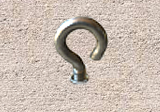
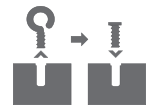
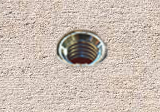
While great for making sure your dome stays in place, eyebolts can be a trip hazard when your dome is not in use. The solution is our removable eyebolts. Simply unscrew the eyebolt from the anchor and replace it with a stainless steel plug (included with your purchase). Our plugs are made to prevent debris and dust from filling the hole. They also ensure a safe, flat surface for your pool deck.
EyehookEyehook RemovalAnchor HolePlug (inserted)
Can I Get a Tunnel from My Airlock to My Building?
At Ameri-Brand Products Inc., helping solve unusual enclosure challenges is a big part of what we do. Because every project and connection is different, please contact our Ameri-Dome team with details about your building, airlock, and what you’re trying to accomplish. We’ll review the project with you and help determine the best tunnel solution.
Dome References
Questions on Dome References
In the past, we tried linking up new customers with existing clients. However, many of our clients are professional individuals who enjoy keeping their lives private. Sometimes the entire dome design process and purchase goes through a personal buyer without us ever speaking to the client. In addition to privacy concerns, the timing and location of domes can be difficult to coordinate. Domes go up and come down at different times of the year depending on the weather, location, and the client's needs. We've had people travel long distances to see a dome only to discover it was recently taken down for the season. For these reasons, we are no longer able to disclose the location of private residential domes. Fortunately, commercial pool domes are often a different story. Many of our commercial Ameri-Domes reside at public facilities that can be easily accessed without liability or privacy concerns. Although they are slightly larger and use reinforced materials, the dome concepts of design, anchoring, and inflation are similar.
We do our best to provide a highly detailed website with a large dome photo gallery and dome testimonials in order to properly showcase the Ameri-Dome. Our customer photos and testimonials represent only a fraction of our satisfied client base, as made evident by our large number of return customers and referrals. After reading our site, please feel free to contact us for additional information, to find a public commercial dome in your area, or even to request vinyl sample materials. We look forward to serving you.












 Lead Times
  No Sales Tax
  Made in USA