











 Lead Times
  No Sales Tax
  Made in USA
 Pool Domes for Aquatic Therapy
A more comfortable, protected setting for maintaining a pool-based exercise or therapy routine throughout the year.
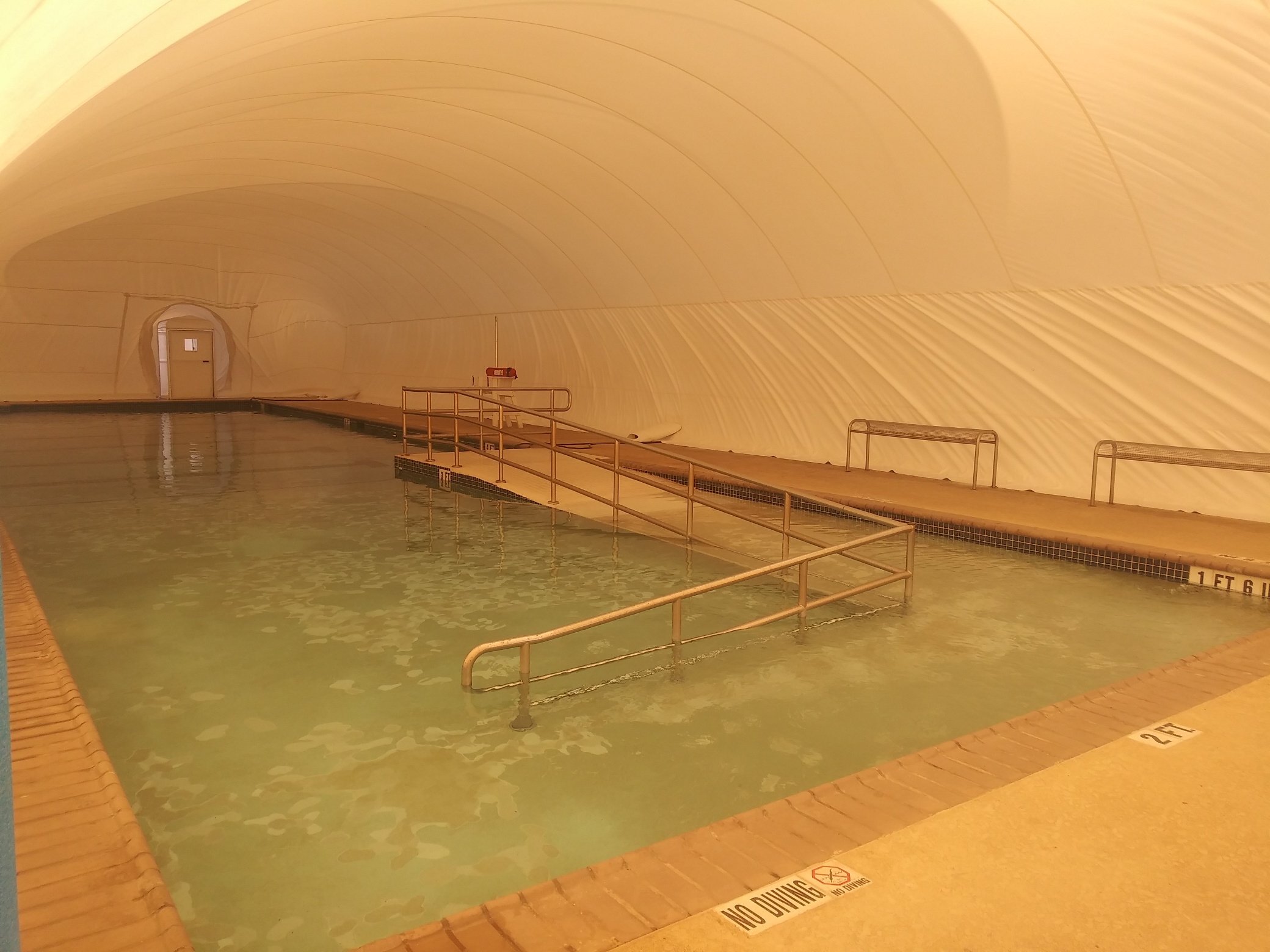
Aquatic Therapy in a Supportive Environment
Pool therapy, aquatic therapy, and hydrotherapy are all similar terms used to describe a therapeutic exercise regimen performed in water. Aquatic therapy has many advantages because it promotes muscle relaxation, reduces pain sensation, and decreases muscle spasms. It also helps increase muscle strength and endurance, reduces the force of gravity on the body, strengthens respiratory muscles, and helps promote a forgiving environment for working on balance and trunk stability (Bates and Hanson, pp. 7–8). With all these benefits, aquatic therapy is a preferred method of rehabilitation and exercise for many people.
Why Water-Based Exercise Is Often Chosen
Buoyancy and Lower Impact
Water supports part of the body's weight, which can reduce stress on muscles and joints and make some movements more comfortable than they are on land.
Resistance for Exercise
Moving through water provides resistance that can be used for strength, endurance, range-of-motion, gait, and balance exercises planned by a qualified provider.
A Calm, Controlled Routine
A familiar pool setting can make it easier to follow a consistent routine, dry off comfortably, and prepare before returning outdoors.
Warm-Water Exercise and Seasonal Access
Studies have shown that exercising in warm water promotes positive physiologic changes such as increased respiratory rate, increased metabolic rate, and decreased edema in submerged parts of the body. It also has significant effects on circulation, including decreased blood pressure, increased superficial circulation, increased blood supply to muscle, increased heart rate, and an increased amount of blood returning to the heart (Bates and Hanson, pp. 6–7).
Unfortunately, weather and the external environment often dictate whether swimming is possible, limiting aquatic therapy to the summer months and indoor settings for many people. The optimal pool temperature cited for vigorous aquatic exercise is between 82°F and 86°F (Bates and Hanson, p. 28). Heating an open pool to this temperature can be very costly during the winter months, and wind chill going to and from the swimming pool may negate some of the comfort and health benefits of the therapy. Only a small percentage of the population has access to a heated indoor pool. As a result, many people who would benefit from aquatic therapy have to make do with less-conducive means of rehabilitation through the winter months.
Aquatic Therapy with an Ameri-Dome
Luckily, that's where an Ameri-Dome comes in. Many of our customers use pool domes to successfully maintain their aquatic exercise program year-round. Pool domes are highly cost effective—compare dome options and pricing—significantly reduce the cost of heating your pool, and simultaneously create a warmer environment around the pool. An Ameri-Dome Heater can provide additional warmth inside the enclosure.
The sheltered environment of a pool dome also allows people to properly dry off and bundle back up before returning to the house, eliminating the problem of wind chill. In some cases, an Airlock Entry System can even connect directly to your house, preventing the need to step outside.
At Ameri-Brand, we can work directly with you in the design process, creating a dome to fit your pool, deck, entry, and intended use. We also have experience you can trust.
Pool Environments Inside Ameri-Domes
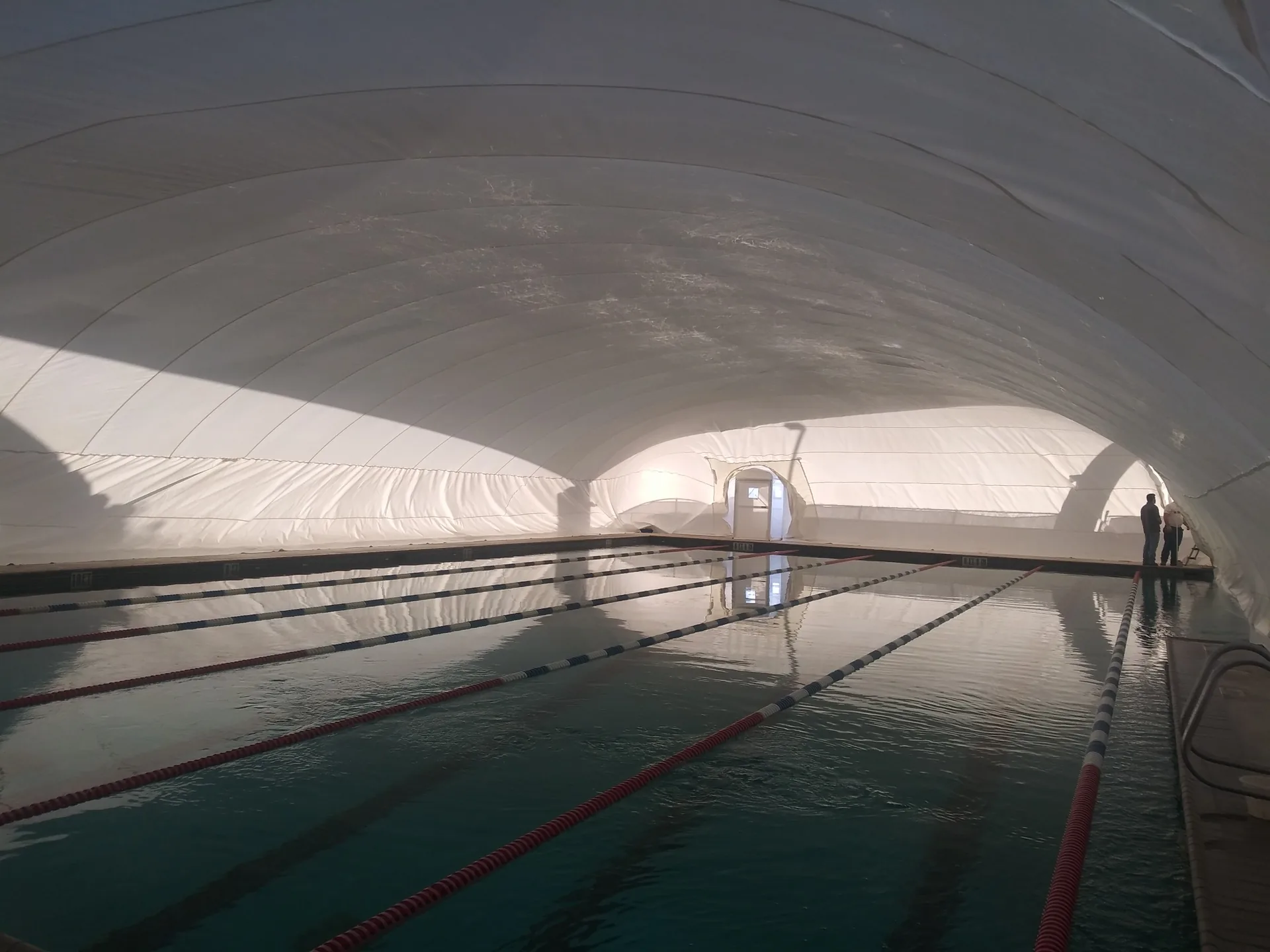
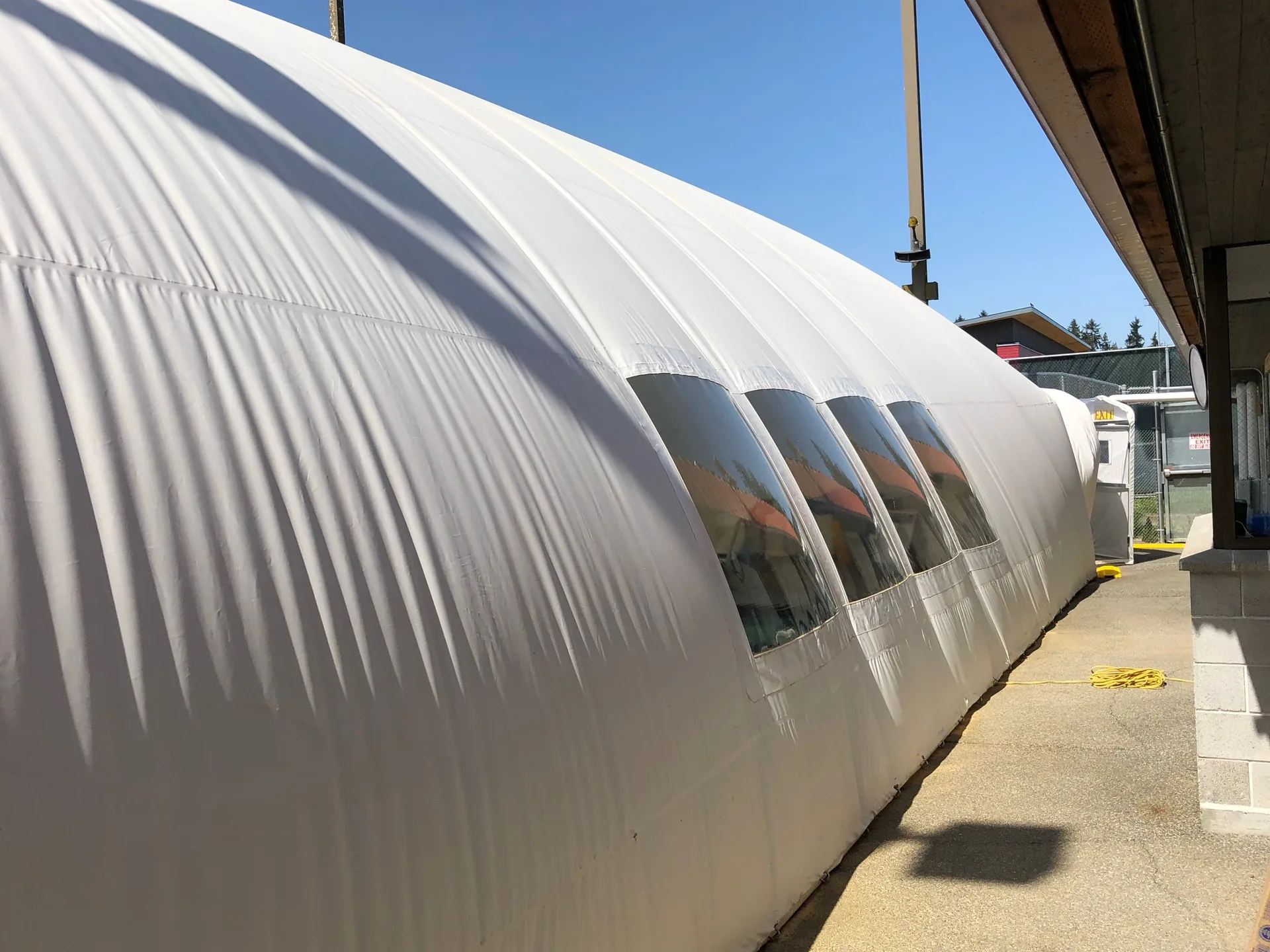
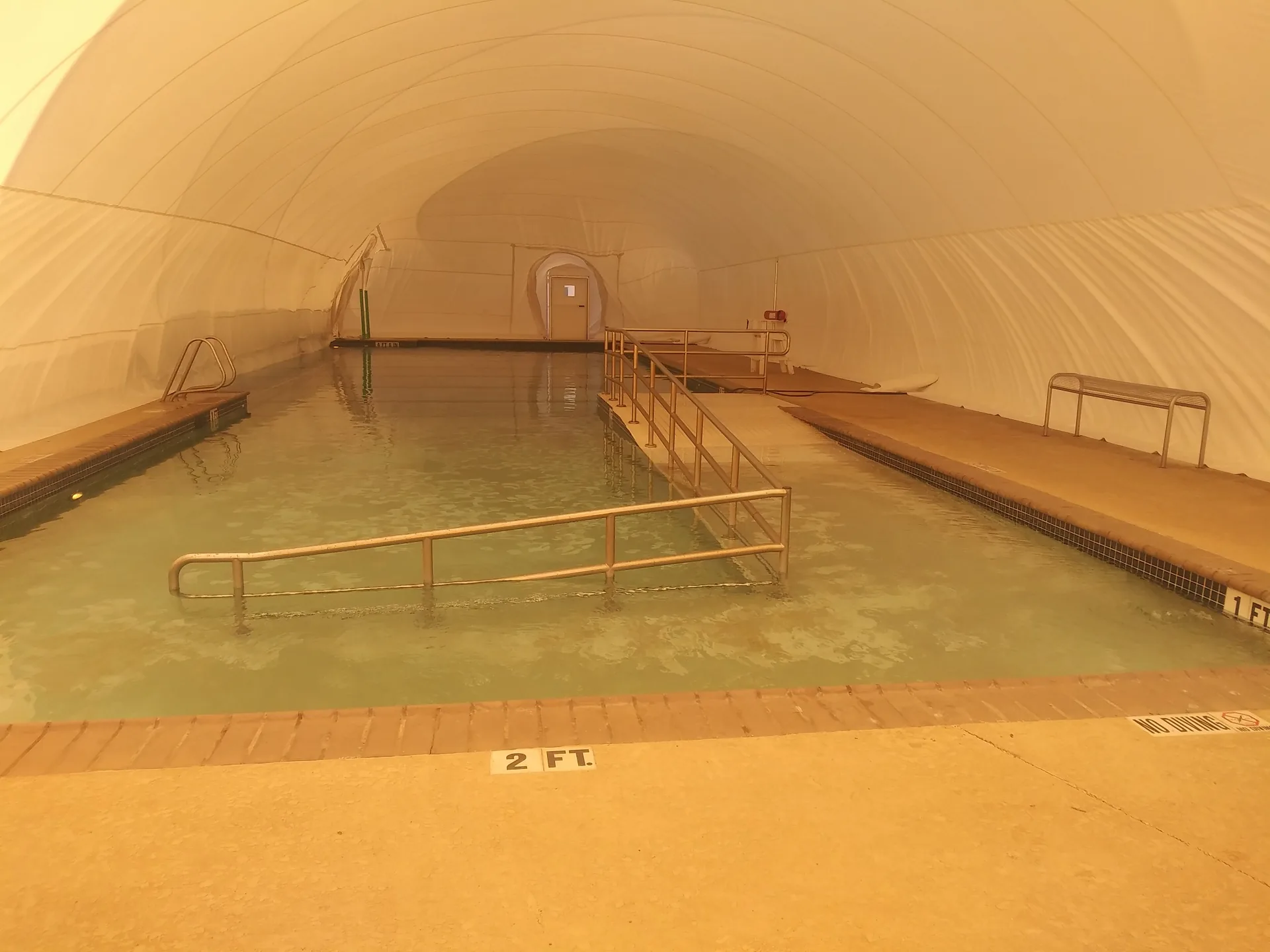

Medi-Cover Therapeutic Dome Stickers
Medi-Cover Therapeutic Dome stickers are available. Ask for one when purchasing a dome intended for an aquatic therapy or medical exercise setting.
Medical and Tax Planning Notes
Important medical note: This information is not meant to replace the advice or treatment of a qualified physician or physiotherapist. It is meant for information only. Please seek an assessment and discuss your treatment options with your caregiver before making a decision about your treatment path.
Important tax note: We're not accountants, but it has been brought to our attention that, in some medical cases, the purchase of a pool dome may qualify as a tax write-off. If you need a dome for medical use, check with your local CPA to see whether this applies to you.
Major source used for aquatic therapy information: Bates, Andrea, and Norm Hanson. Aquatic Exercise Therapy. Philadelphia: W.B. Saunders, 1996.
Plan an Ameri-Dome Around Your Pool Routine
Tell us about the pool, deck, entry route, and time of year you want to use it. We can help you compare the residential and commercial enclosure options that fit the space.